
The Complete Guide to Faceless Reels in 2026
No camera, no face, no problem. Here's how faceless reels work, why they convert, and how AI lets you produce them in minutes.
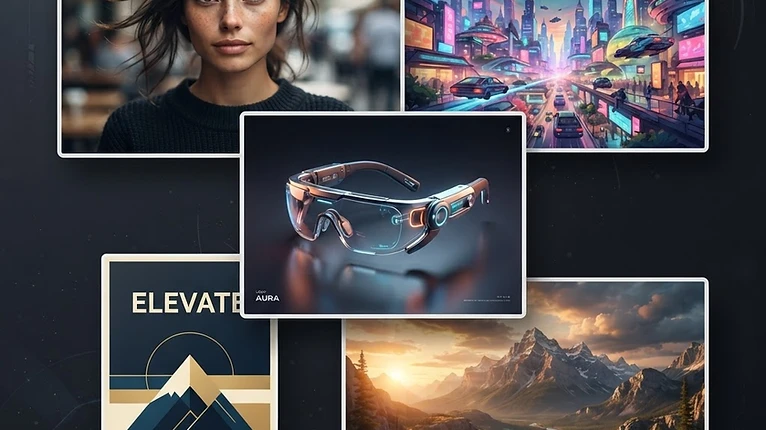
Faceless reels are short-form videos that never show a creator's face. They rely on b-roll footage, animated text overlays, captions, and a voiceover to deliver a message. In 2026, they've become one of the highest-converting formats on Instagram, TikTok, and YouTube Shorts — because they're fast to produce, easy to repurpose, and they work for creators who want to stay anonymous.
The structure is simple: a scroll-stopping hook in the first two seconds, three to five b-roll scenes that match the voiceover, on-screen captions that reinforce each point, and a clear call to action at the end. The hard part used to be sourcing b-roll and writing a tight script. AI changes that. With SocialPilot AI's Faceless Reels pipeline, you describe a topic and the AI writes the hook, plans the b-roll scenes, drafts the voiceover, and generates the video — no filming required.
The biggest mistake creators make with faceless reels is choosing b-roll that doesn't match the script. A voiceover about productivity over random stock footage feels disconnected. The fix is to let AI generate b-roll that's tied to each line of the script — so every scene visually reinforces the words. That's exactly what the Faceless Reels feature does: each scene gets its own generation prompt derived from the voiceover beat it covers.
If you're starting out, pick one niche, batch five topics, and generate five reels in one sitting. Post one per day, watch which hook performs best, and double down on that angle. Faceless reels reward consistency over perfection — and with AI handling production, consistency becomes the easy part.